
Rethinking Housing
The Trust is launching a new model for creating homes in small communities.
Pass byArrow Heights in Nakusp and you’ll likely see signs of everyday life: someone carrying in groceries, a child heading out on a bike or a resident enjoying the sunshine from a lawn chair.
For Emily Sheele, it’s a place she’s proud to call home. Since summer 2024, she and her young adult son have lived in the rental housing complex.
“I was looking for a place in Nakusp and that’s not easy to come by,” she says.
After facing high rents and spending time in temporary accommodations, including a van and a camper, Sheele was eager when an opportunity opened up at Arrow Heights.
“I was approved and it’s really great,” she says. The unit is fully accessible—exactly what she needs.
In the five years since Arrow Heights opened, many tenants have found stable, affordable housing there.
Just as telling is the waitlist of people still hoping for a place to live. Soon, another rental housing development in Nakusp will help meet some of the demand through a new approach.
“It’ll be amazing,” says Tim Payne, Executive Director of Arrow & Slocan Lakes Community Services (ASLCS), which built and manages Arrow Heights and will also manage the new development.
“Housing development is very complex and time consuming and the tedious and troublesome steps have been taken away.”
That’s because, instead of leading the project from concept to construction as it did with Arrow Heights, ASLCS will receive the completed building once construction is finished.
A New Role for the Trust
Most recently, the Trust has taken on the role of developer itself—a first for the organization and a new approach it intends to use in other communities.
For decades, the Trust has supported rental housing in various ways, but community organizations have typically been responsible for advancing projects, most often with the help of a development consultant.
As housing shortages intensify, however, the Trust recognizes that smaller and rural communities often face challenges finding the resources and capacity needed to deliver complex housing developments efficiently.
“So far, the Trust is doing all the hard work and heavy lifting,” Payne says.
Once the six new units are complete, ownership will be transferred to ASLCS for long-term operation and management.
“The only thing we really need to focus on is filling the units and how to manage those units once they’re filled,” he says.
By taking a more active role—and by leveraging funding and partnerships with local governments and other potential government partners—the Trust can help move housing projects from planning to construction more quickly.

More Homes on the Way
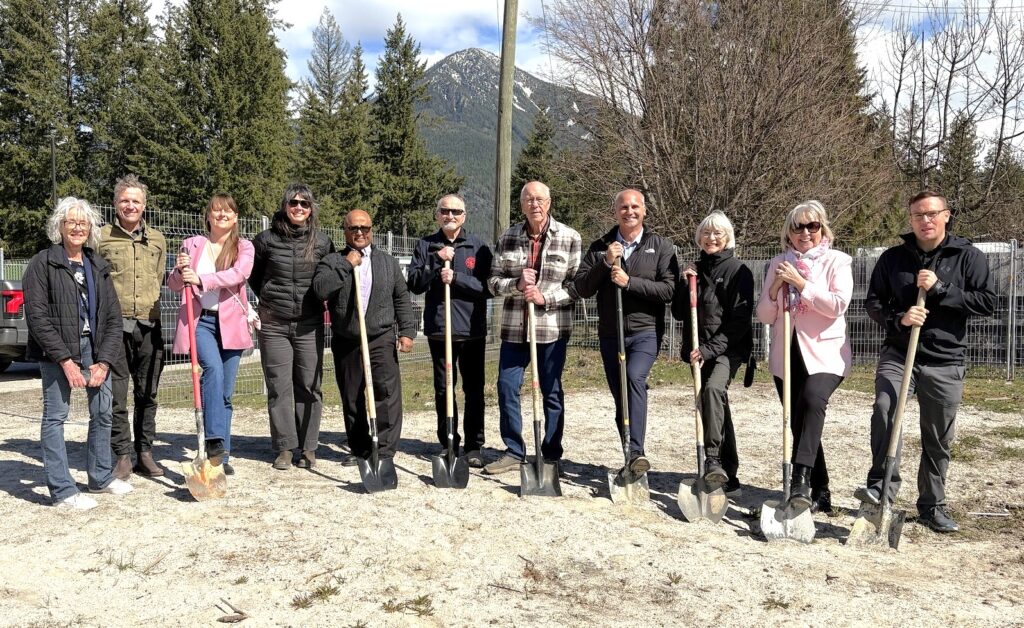
In Nakusp, the new development is intended for low and moderate-income households. It will include six rental units—a mix of one- and two-bedroom homes— including one fully wheelchair-accessible unit.
The building will feature energy-efficient design and construction, as well as a rooftop solar array. Together, these features are expected to help lower heating and cooling costs, support long-term affordability and reduce greenhouse gas emissions.
The goal is to welcome tenants in spring 2027. Payne is quick to praise the Trust—not only for its involvement in this project and Arrow Heights, but for its ongoing support of ASLCS over the years.
“They always have the heartbeat of the community,” he says. “They really know what’s going on and they address the needs—not only in our community, but in communities throughout the Columbia Basin. I can’t imagine what we would be without them.”
The need for rental housing remains significant, he adds. Many people who access other ASLCS services are also searching for homes. He knows of families and individuals who would like to move or return to the area—some with jobs already lined up—but without a place to live.
That’s why he’s looking forward to the day the new units are ready. “Once those are available, they’ll be full in a minute.”
