Building Better Connections
New trails and other recreation amenities will make it it easier to walk, ride and get where you need to go in Jaffray, Rossland and the Slocan Valley.
Across the Columbia Basin, communities are making it easier for residents to leave their vehicles behind and choose active ways of getting around.
From upgraded commuter routes and new trail connections, to bike repair stations that keep riders rolling, active transportation projects are helping people safely reach work, school, recreation opportunities and local services. In the process, they’re supporting healthier lifestyles, reducing emissions and strengthening community connections.
Supported by Columbia Basin Trust, recent projects in Rossland, Jaffray and the Slocan Valley show how investments of different sizes can make a meaningful difference in everyday life.
Connecting Communities
Local investments in trails and pathways will make it easier for residents to walk, cycle and connect with the places they need and want to go to.
For Sam Troy, improvements to Rossland’s Centennial Trail have enhanced a route she uses almost every day. As a ski patroller, bike patroller and dispatcher at RED Mountain Resort, Troy has spent two decades working on the mountain. She bikes the three kilometres to work 95 per cent of the time—even in winter.
“Commuting by bike is just part of my life,” she says.


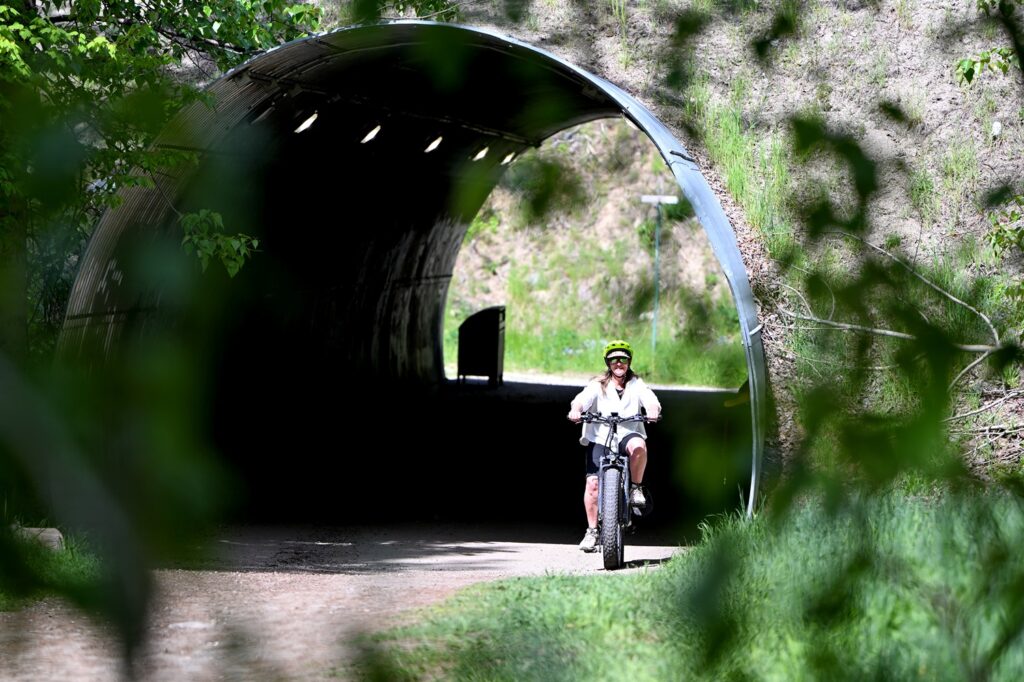
The City of Rossland recently upgraded sections of Centennial Trail, which connects downtown Rossland to recreational destinations, including the ski hill. The work included reshaping and paving sections of the pathway, improving drainage, enhancing road crossings and signage, and installing glow stones that help illuminate the route and improve visibility for users after dark.
“I appreciate all the improvements to Centennial Trail,” Troy says. While the upgrades haven’t changed the length of her commute, she says they have made the trail more accessible for a wider range of users.
“The paving has made the trail safer for increased use by more people who may not have used it before, including elders and parents with strollers,” she says.


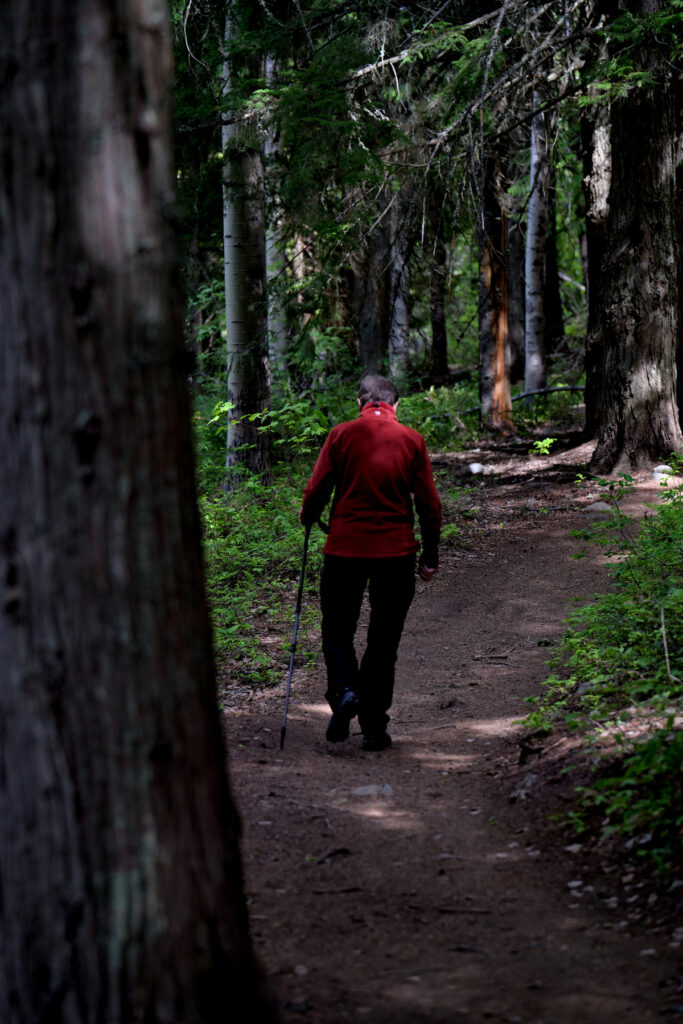
Meanwhile, in Jaffray, a new trail is helping residents connect to both their community and the surrounding landscape.
Built in 2025 by the South Country Trails and Recreation Association, the 2.4-kilometre Jaffray Frontage Trail runs alongside Highway 3 and links the community to an existing trail network west of Jaffray.
For resident Erin Boehm, the trail has transformed how she gets around.
“Before, I had to walk along the highway for more than a kilometre or drive just to reach a safe trail,” she says. “Now I’m connected to everything.”

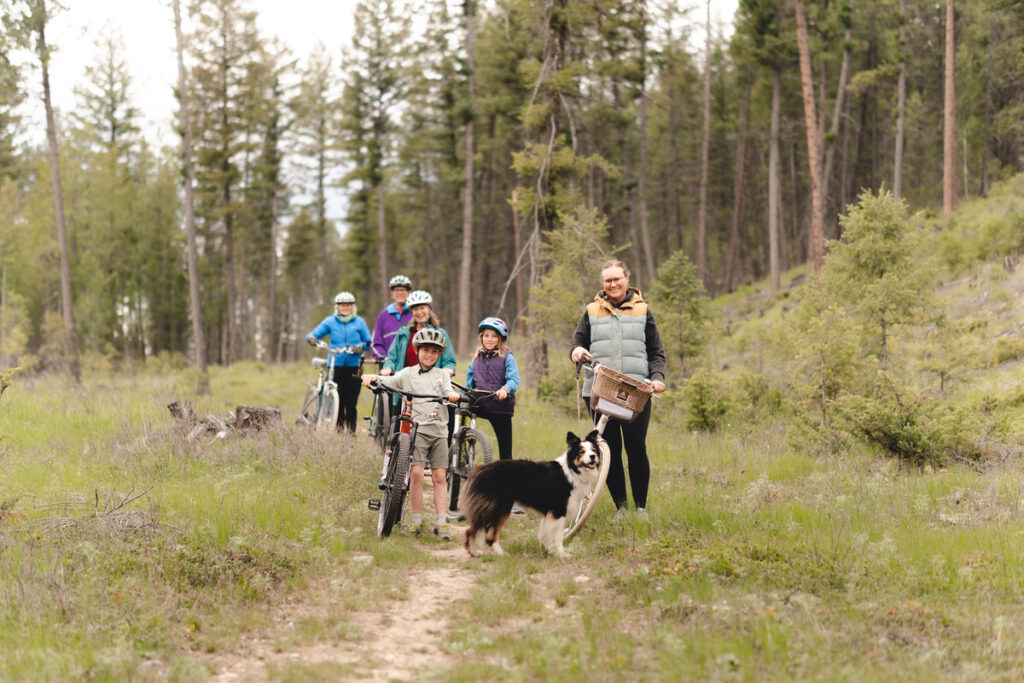
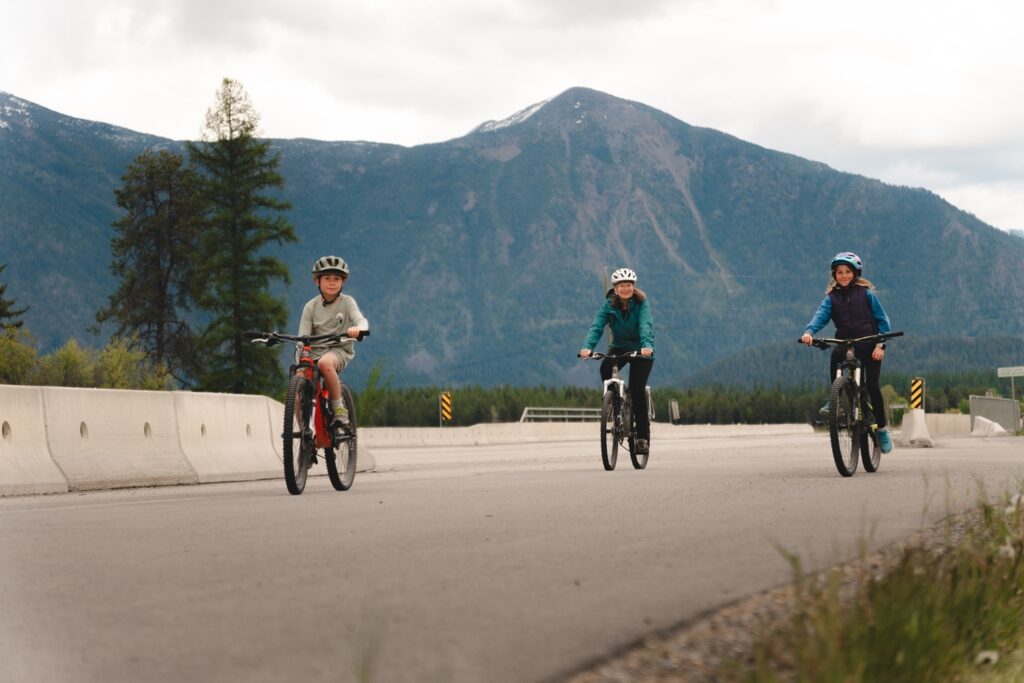
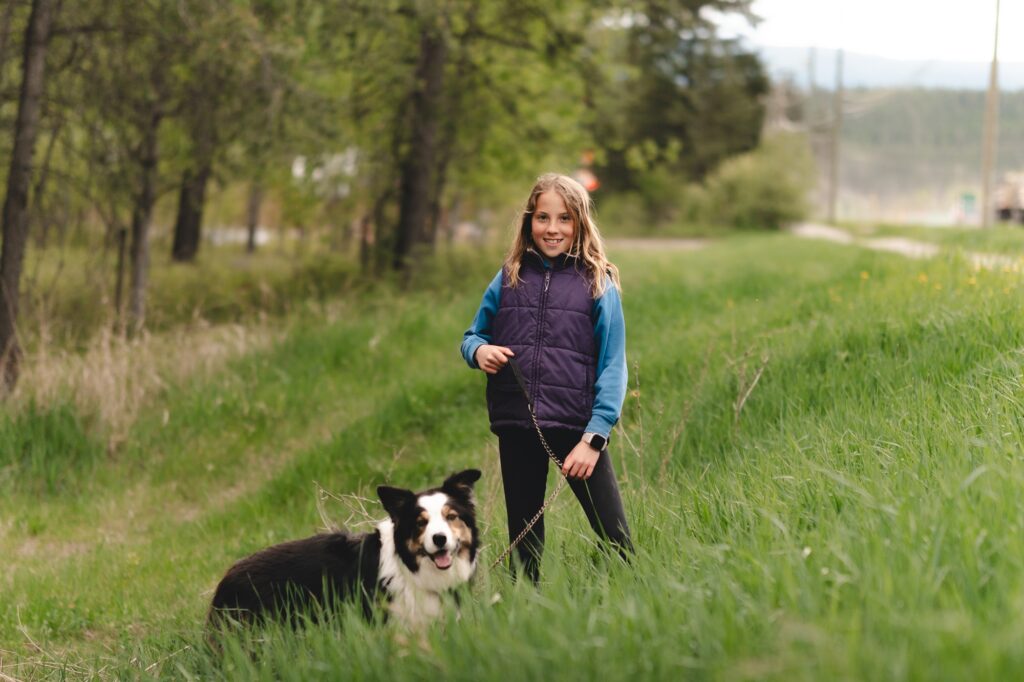

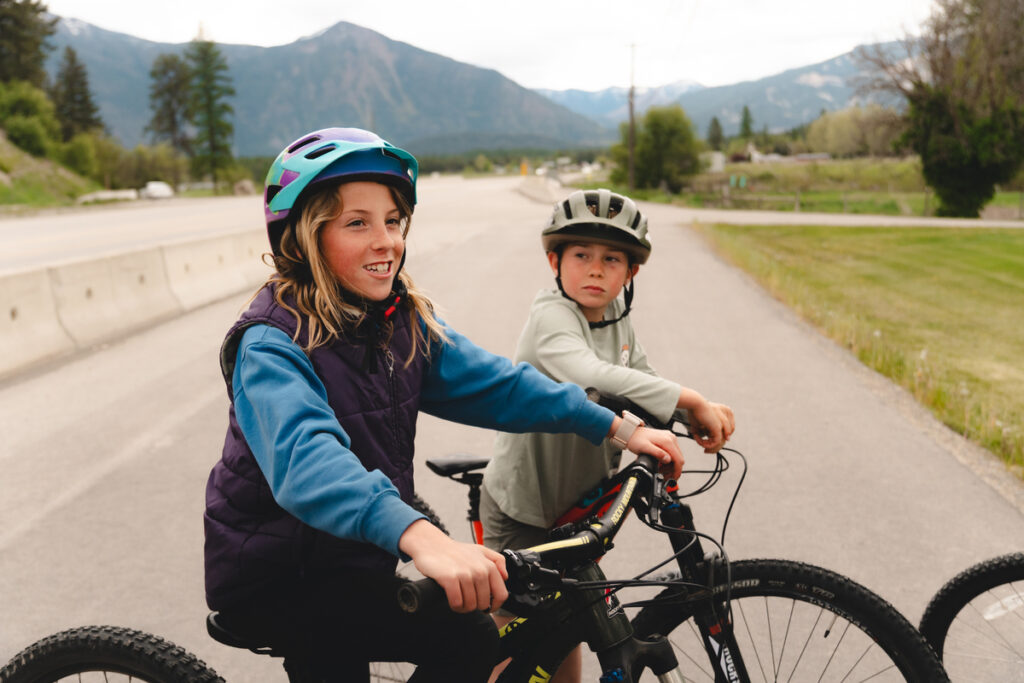
The trail provides a safer option for walking, running and cycling, while also making it easier for residents to access
local destinations without a vehicle. The project is expected to reduce local vehicle use and cut greenhouse gas emissions by approximately 30 tonnes annually.
“I see people on the trail all the time,” says Boehm.
“Kids areskateboarding and riding safely to school. It has become part of everyday life for a lot of locals.”
Removing Barriers to Active Transportation
While trails create opportunities for active transportation, infrastructure can also play an important role in helping people choose to ride.
Along the Slocan Valley Rail Trail, cyclists now have access to three bike repair stations located near the Crescent Valley Trailhead, the Passmore Trailhead and the Village of Slocan. Each station includes repair tools and a multi-valve air pump, giving riders a convenient way to tackle anything from a loose bolt to a flat tire.


Installed by the Slocan Valley Rail Trail Society, the stations are intended to support both trail users and local residents who may not have easy access to bike-repair tools.
The stations help remove one more barrier to cycling, giving people confidence that help is close at hand if something goes wrong during a ride.
Whether through safer routes, new connections or practical amenities, these projects share a common goal: making active transportation a realistic and appealing part of everyday life. For residents across the Basin, that means more opportunities toconnect—with their communities, their neighbours and the places they call home.