Small Wetland, Big Impact
Community stewardship and ecosystem enhancement are helping a small Rossland wetland thrive.
Whether it’s a forest, grassland or a single pond, ecosystems come in all sizes. Large or small, they provide critical habitat for wildlife, help keep water clean and strengthen communities’ resilience to a changing climate.
In Rossland, a community-led restoration project is helping enhance and protect a local wetland for future generations.
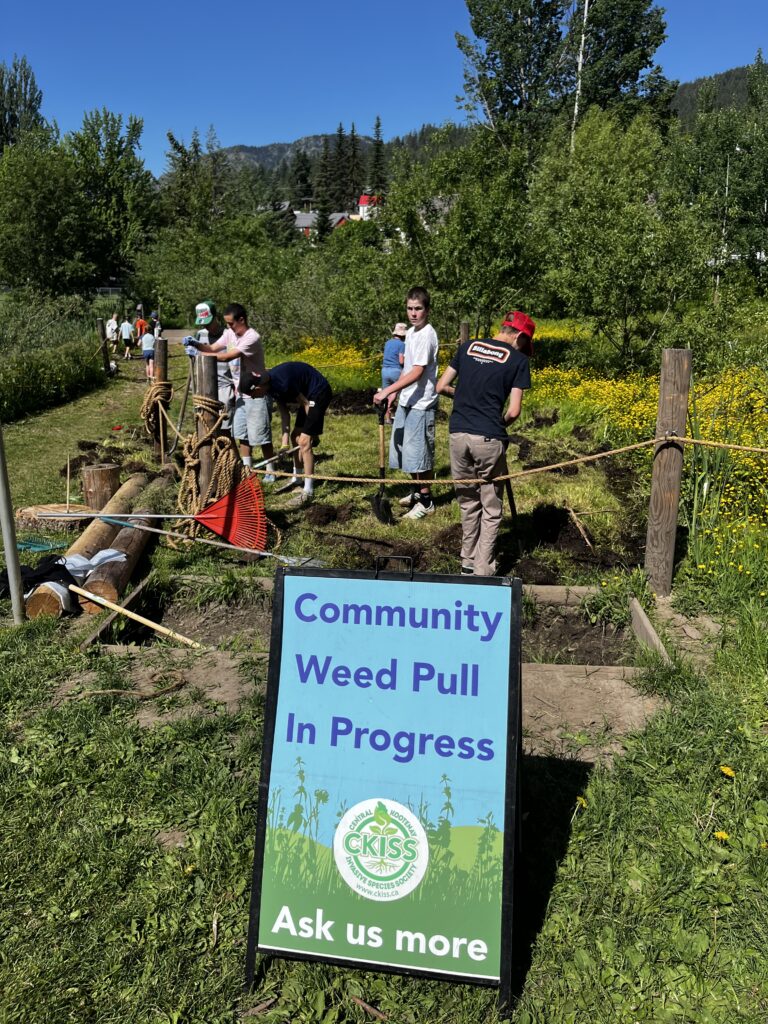
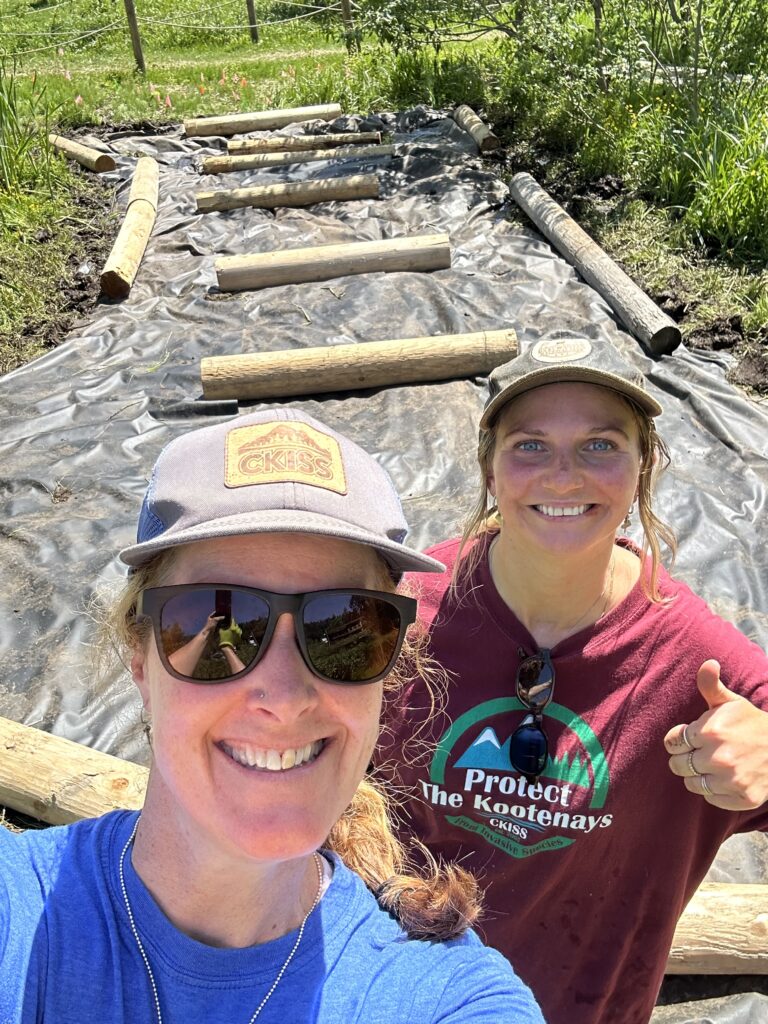
Beginning in spring 2025 and continuing through fall 2026, the Central Kootenay Invasive Species Society (CKISS) has been contributing to ecological enhancement work at Jubilee Wetland with support from Columbia Basin Trust’s Small Ecosystem Grants program.
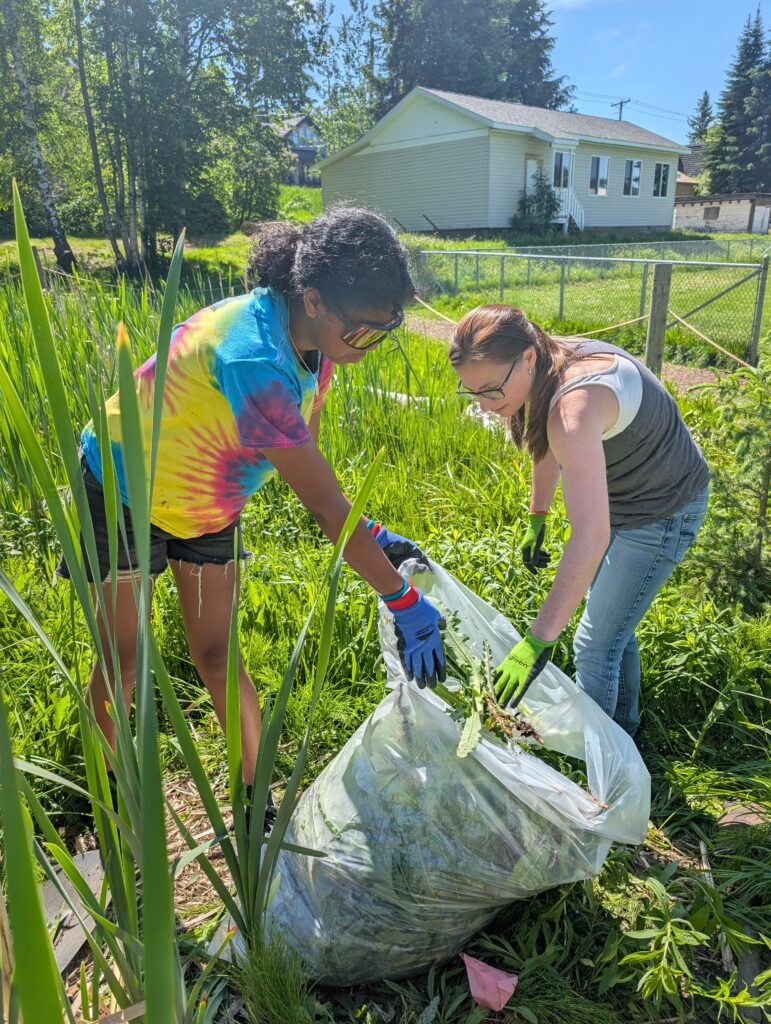
“Jubilee Wetland is a small but important ecosystem in the heart of Rossland,” says Laurie Frankcom, Engagement Coordinator with CKISS. “By removing invasive plants and bringing back native species, we’re helping protect its ecological function for the future.”
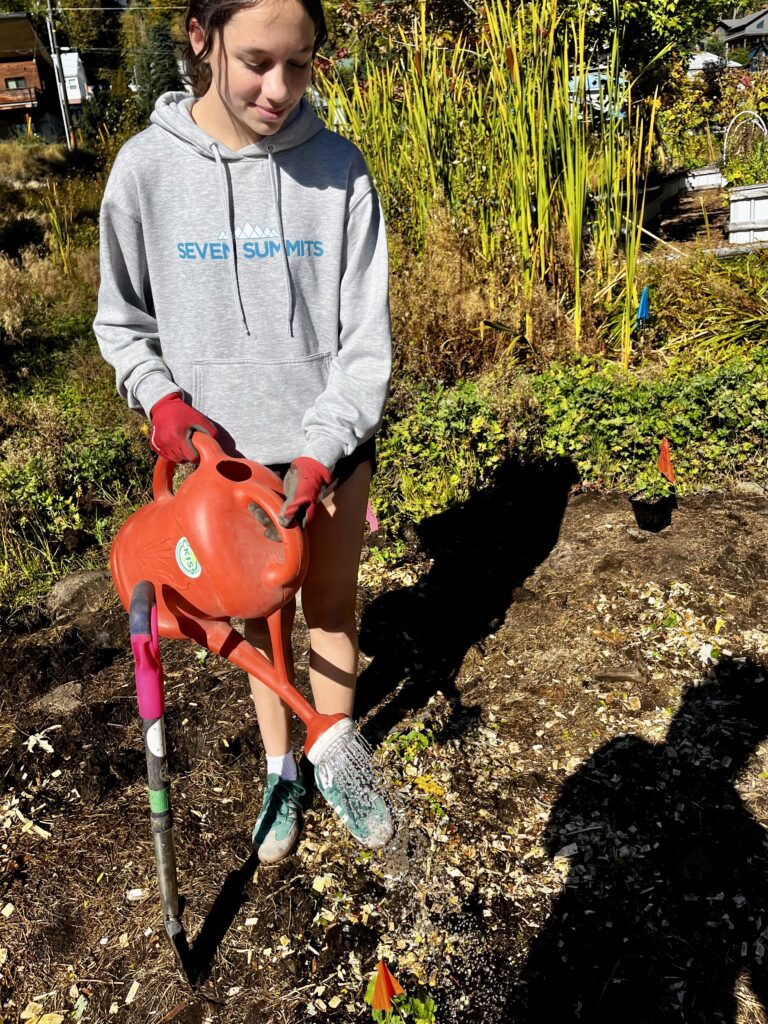
Located beside the community garden and soccer fields, the wetland is a familiar community gathering place. Project participants are helping remove invasive species and re-establish native vegetation to improve habitat and ecosystem function.
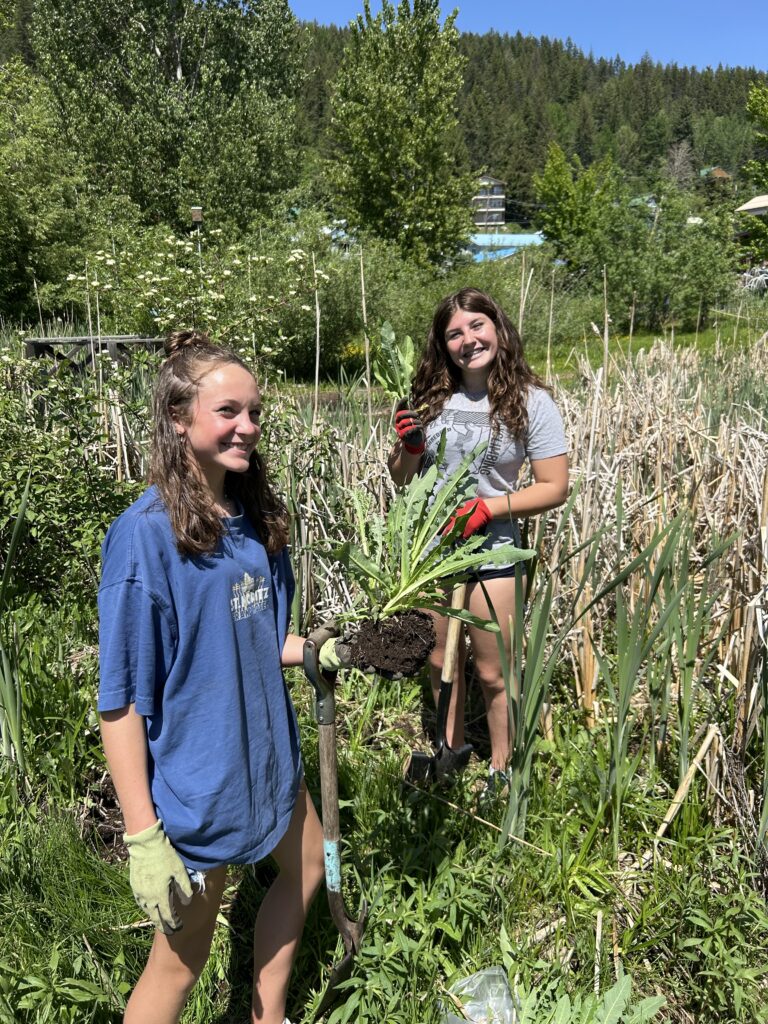
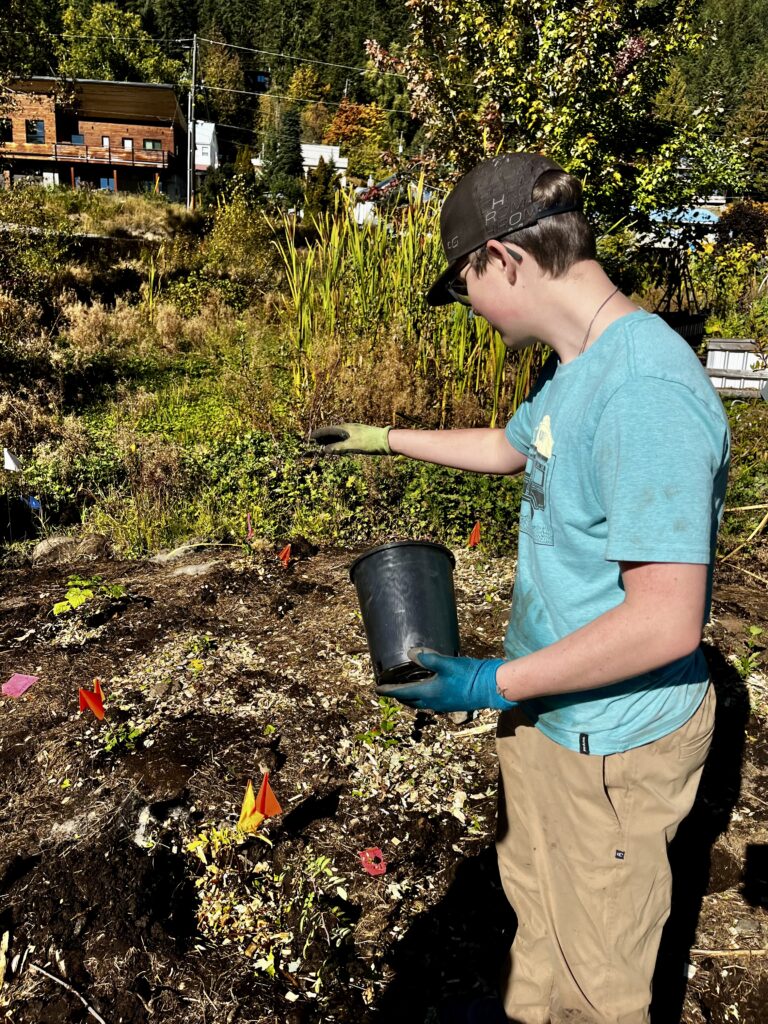
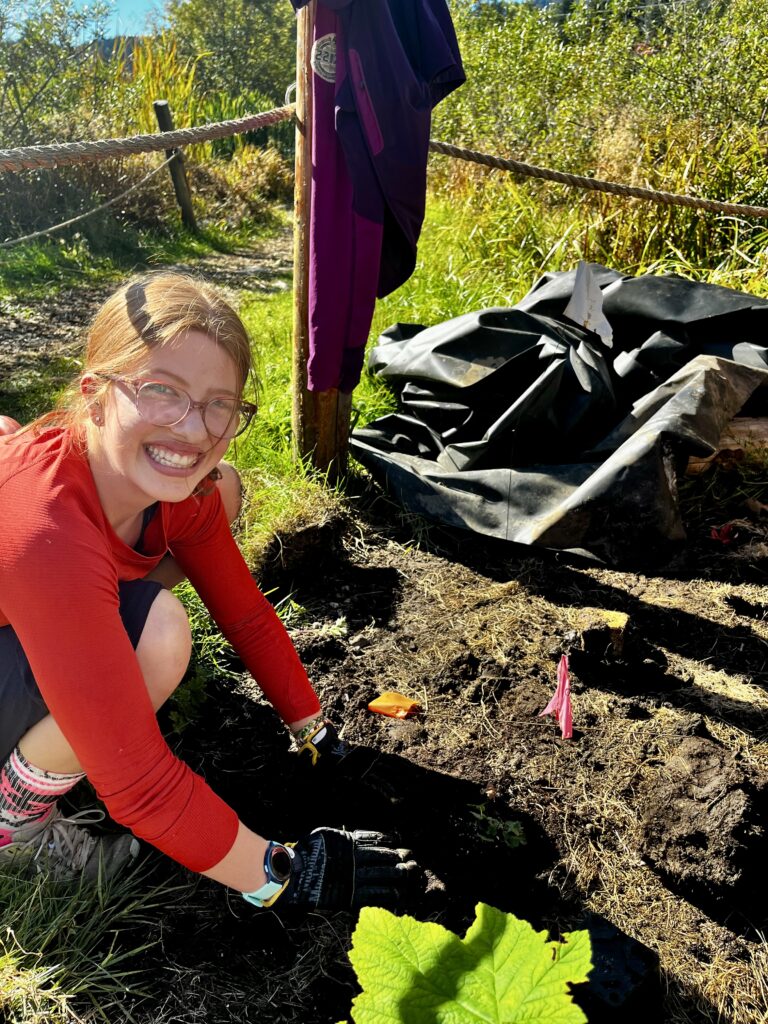
Invasive plants such as creeping buttercup, Canada thistle and perennial sow thistle are being manually removed and replaced with locally sourced native species. Among them is Oregon checker-mallow, a rare plant that provides valuable habitat and food sources for pollinators.
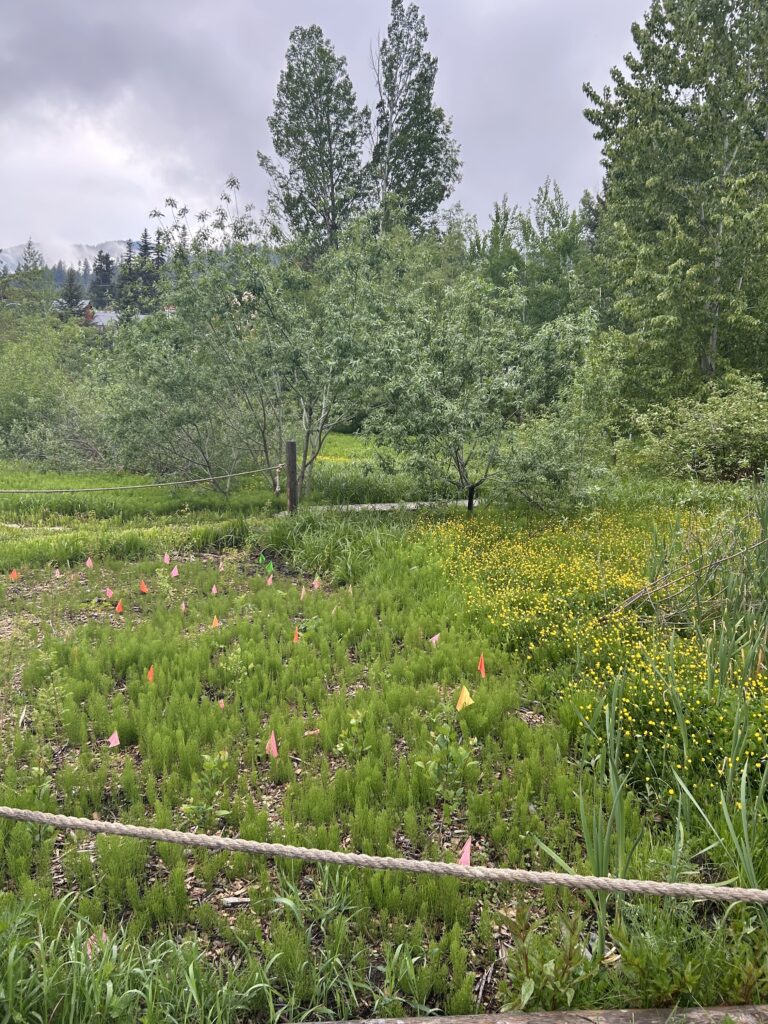
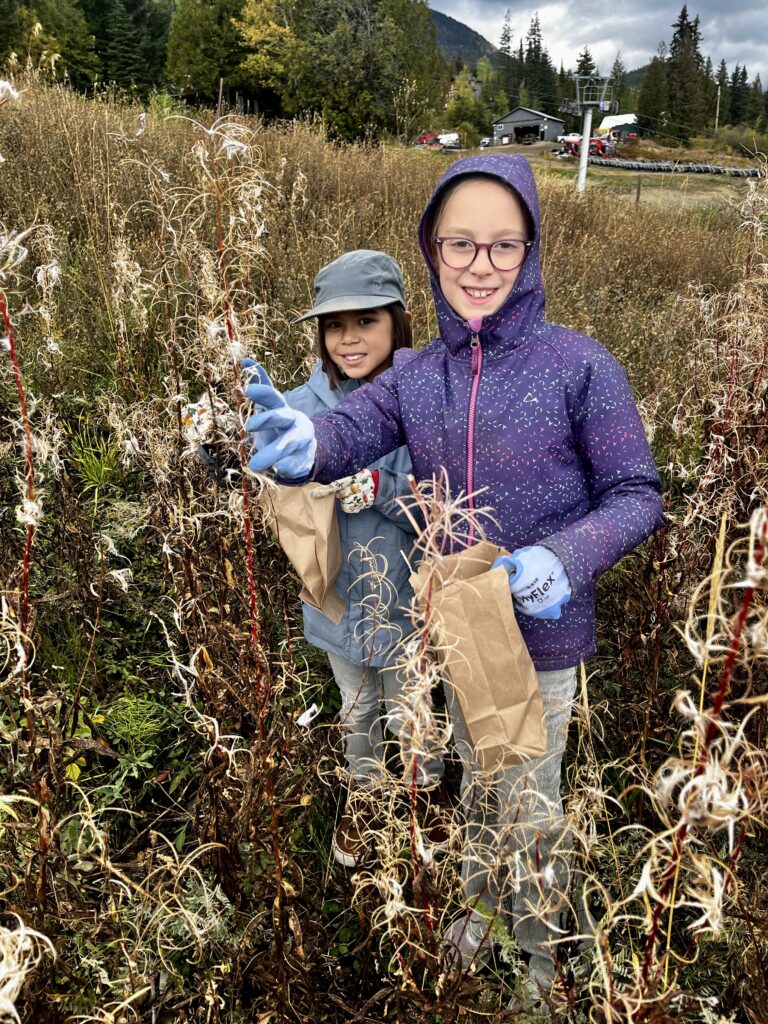
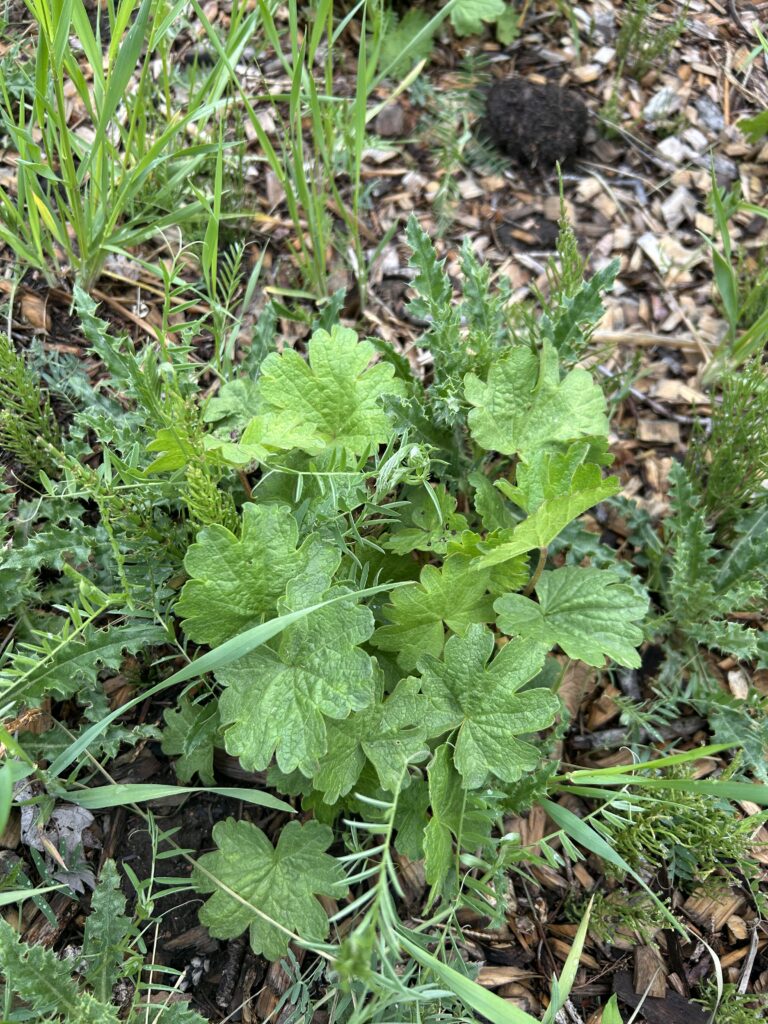
The work is already producing results. A plant survey conducted in spring 2026 found that 70 per cent of native plants installed the previous year survived their first winter. Native seeds collected locally and spread throughout the site have also successfully established in areas once dominated by invasive species.
These improvements increase biodiversity, stabilize soils and enhance habitat for pollinators, frogs and birds. The wetland also plays an important role in the community by helping manage runoff during spring melts and heavy rainfall events.
“Healthy wetlands, even small ones, play an important role in Rossland by filtering water, capturing carbon and helping manage runoff and flooding,” says Frankcom. “Restoring native plants also creates better habitat and food sources for pollinators, frogs and birds, while giving the community a place to learn about and connect with nature.”
The project builds on more than a decade of restoration and stewardship efforts at the site. Earlier restoration work, first supported by Columbia Basin Trust in 2015, helped return the area to a functioning wetland and laid the foundation for ongoing stewardship efforts.
For CKISS, partnerships are key to the project’s success.
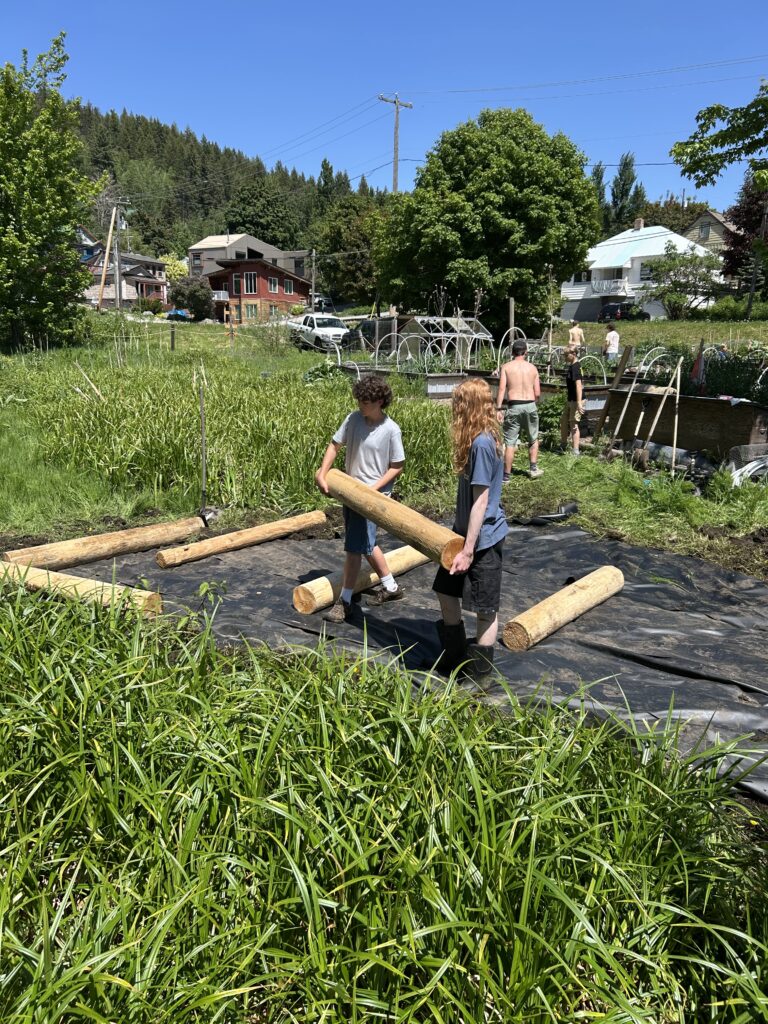
“Working with students, teachers and community volunteers helps expand ecological enhancement efforts at the wetland while fostering a strong culture of local stewardship,” says Frankcom.
While modest in size, Jubilee Wetland demonstrates how local stewardship, community partnerships and ecosystem enhancement can create lasting benefits for wildlife, water and people. It’s a reminder that when communities invest in the health of their local environment, even small ecosystems can make a big difference.
All photos courtesy of Central Kootenay Invasive Species Society.