Bringing a Wetland Back to Life
The Simpcw First Nation is working together with partners to restore a treasured natural space in Valemount.
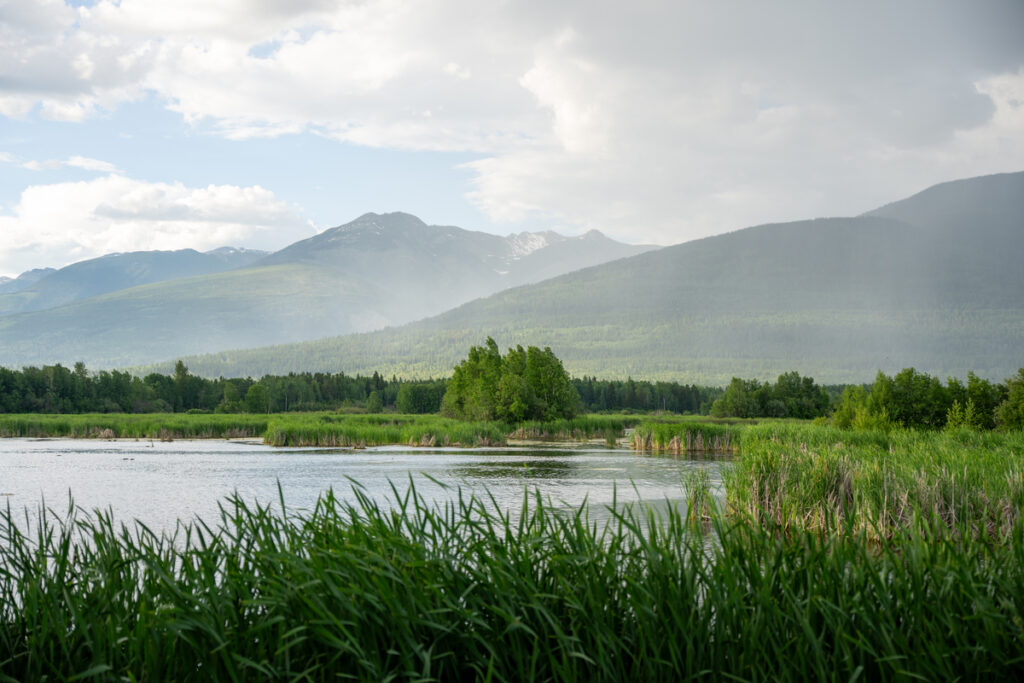
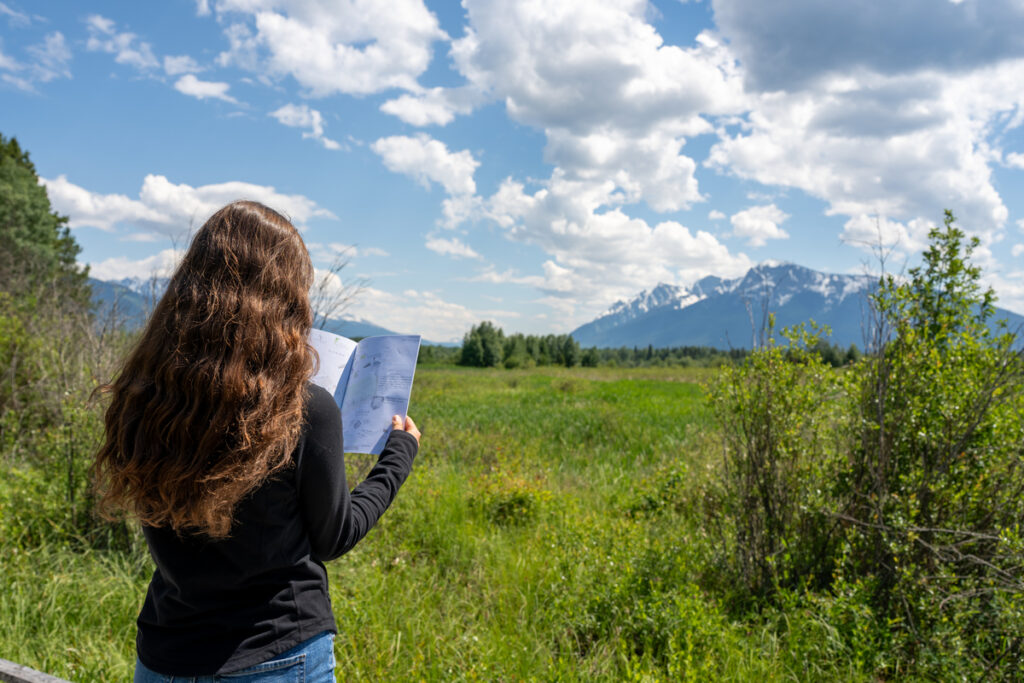
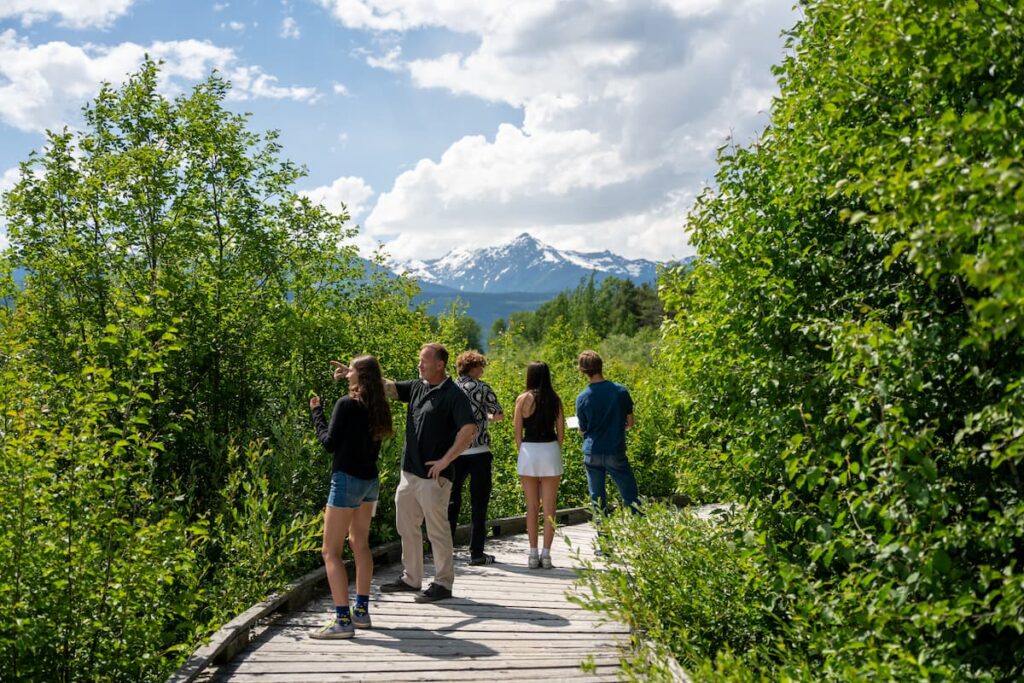
On a cool spring morning,a group of Grade 9 students from Valemount Secondary School walks along a wooden boardwalk, notebooks in hand, observing the world around them. Birds call from cattails, muskrats ripple the water’s surface, and the wetland hums with life.
This is Cranberry Marsh, a place where locals, visitors and members of Simpcw First Nation connect with the natural world.
“Our nature journalling starts before things bloom so students can watch the transformation,” says teacher Rich Cooper. “I encourage them to use all their senses to document patterns: bird behaviour, water levels, species identification, sound maps and more. We also learn about how families came to this area, how Indigenous Peoples have been here since time immemorial, and how the landscape has changed.”

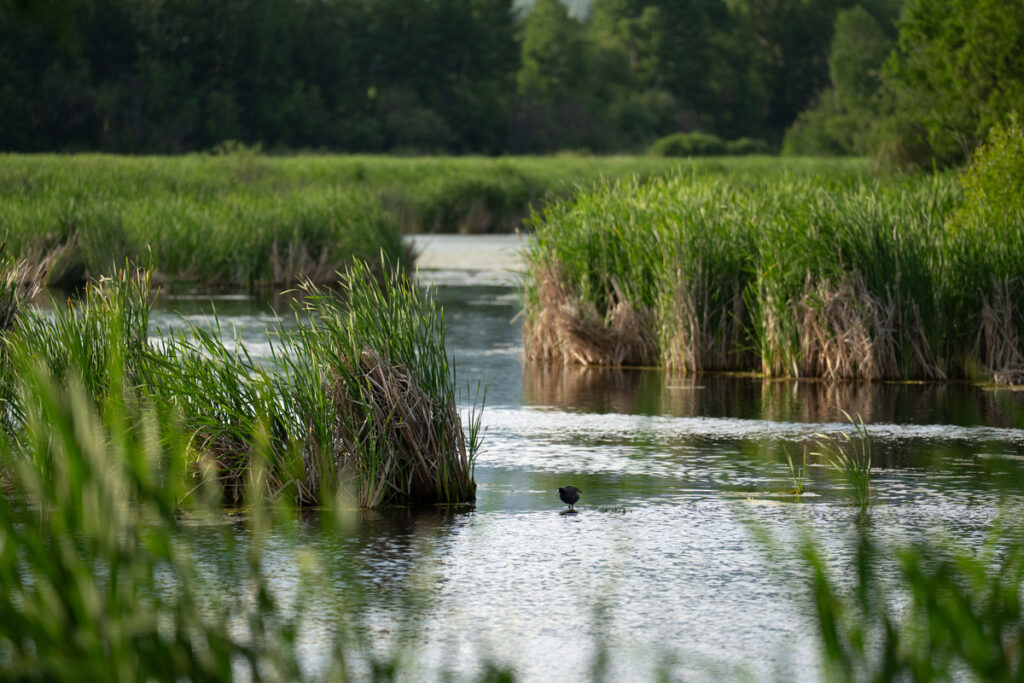
Also known as the Starratt Wildlife Management Area, Cranberry Marsh spans roughly 350 hectares and sits less than two kilometres from downtown Valemount. It is co-managed through a partnership that includes the Province of British Columbia, the Nature Trust of BC, Ducks Unlimited Canada, the Village of Valemount, and a robust group of volunteers from the Yellowhead Outdoor Recreation Association and general community. Together, they steward a rich mosaic of open water, wetlands and wildlife habitat.
To help ensure the marsh thrives into the future, Simpcw First Nation launched a five-year restoration effort in 2022, with support from Columbia Basin Trust’s Ecosystem Enhancement Program. The program supports projects that strengthen ecological health and resilience across the Columbia Basin.
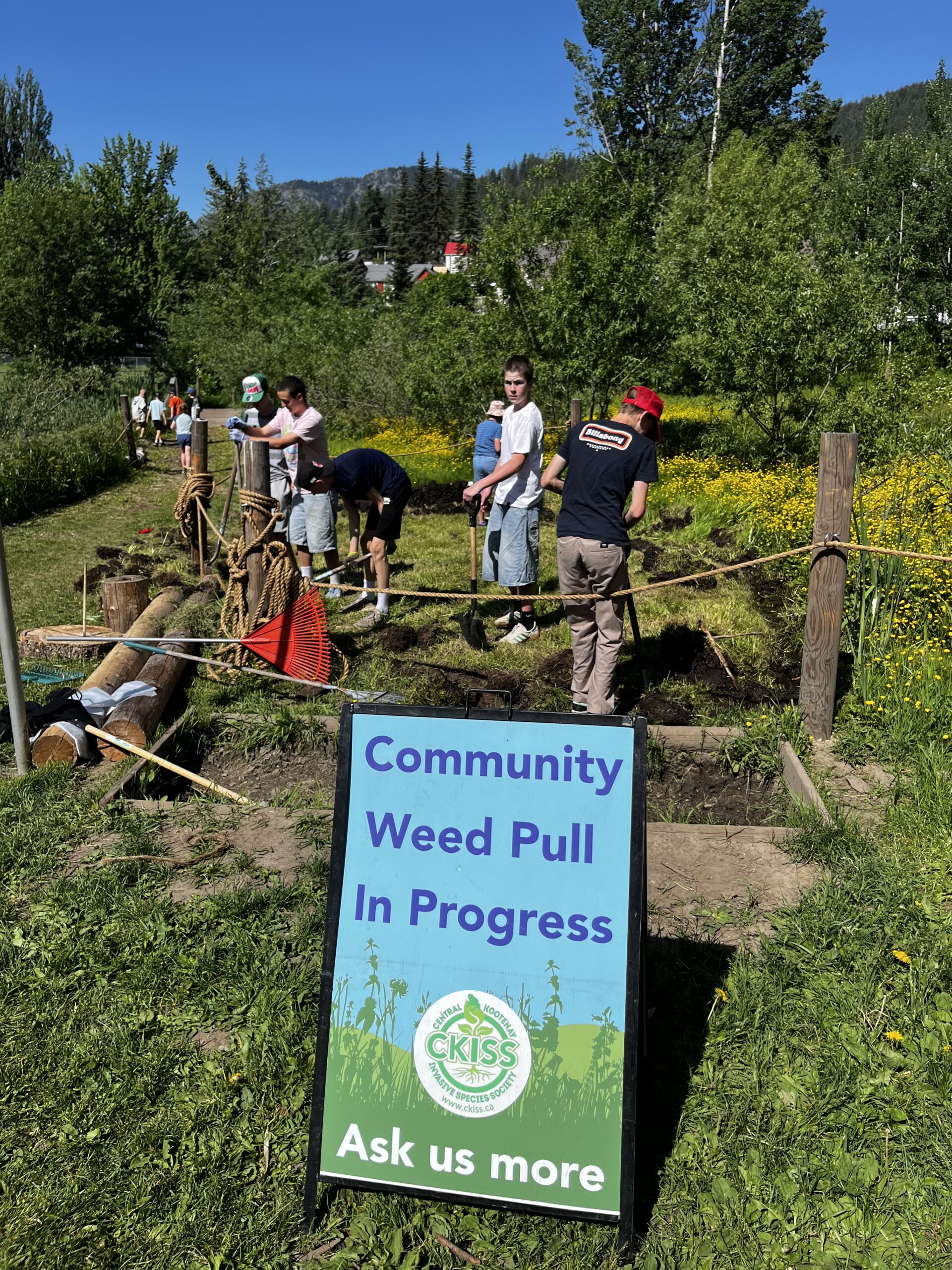
At Cranberry Marsh, restoration work focuses on increasing native plant and wildlife diversity, including pollinators and snakes, while managing invasive species like thistle and knapweed and carrying out revegetation with droughttolerant, native plants. Cultural elements are also central to the project, such as interpretive signage that shares Simpcw indigenous knowledge in a variation of the western dialect of Secwepemctsín.
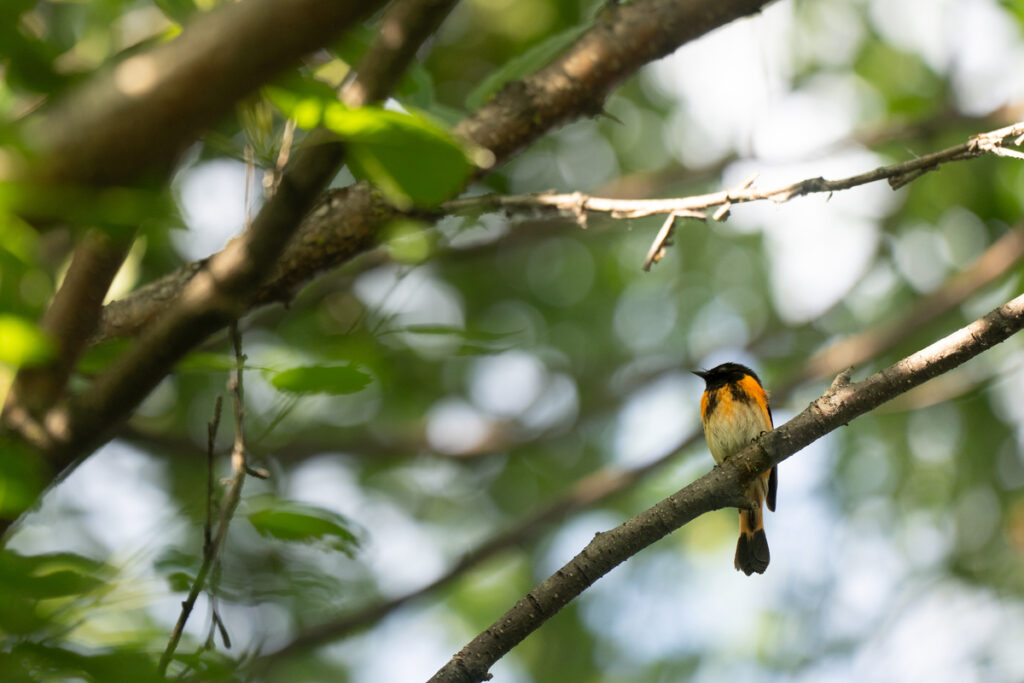


“We held site visits and educational days with Simpcw community members, Elders and the Language and Cultural Department,” says Mandy Ross, Senior Ecosystem Biologist with Simpcw Resources Group, which is leading the project in collaboration with the co-managers. “People were eager to share knowledge—plant and animal names, stories and memories. We also learned about the importance of the area to Simpcw ancestors.”
Early results are already visible. A snake hibernaculum, once an exposed grassy area, has been enhanced with logs and rocks that provide basking spots, shelter and habitat for prey species like mice and voles. Beavers have also contributed, building dams that temporarily flooded part of the trail, an example of natural processes reshaping the ecosystem.


Looking ahead, partners are working together to support long-term conservation through joint land management, future acquisitions and improved wildlife corridor connectivity. The goal is to extend the habitat linkages across the broader Canoe Valley, allowing wildlife to move, breed and thrive across a connected landscape.
“The partnerships we’ve built are integral as we expand habitat mapping and connectivity work across the province and beyond,” Ross says.
For the Valemount community, a healthier marsh brings far-reaching benefits, from richer biodiversity to cleaner water and a stronger sense of place.
“Cranberry Marsh is home to over 120 species of birds and waterfowl, along with muskrats, beavers, deer, bears, moose and more,” says Marcie Down, Executive Director of Tourism Valemount. With its boardwalk, walking trail and viewing towers, she adds, the wetland is “our unique little jewel.”